
Okay, so check this out—managing crypto portfolios is a wild ride. Seriously? Between juggling multiple DeFi protocols and trying to keep tabs on staking rewards, you almost need a whiteboard and three monitors. Something felt off about the way I was tracking my Solana assets—too many tabs, too many apps, and honestly, too much guesswork. At first, I thought, “Eh, I’ll just wing it,” but then the numbers didn’t add up, and I was left scratching my head wondering where my rewards even went.
Here’s the thing: if you’re deep in the Solana ecosystem, you know how fast things move. New DeFi projects pop up overnight, and staking pools change their APYs like the weather in Chicago—unpredictable and a bit wild. My gut says lots of folks are missing out on optimizing their rewards because they don’t have a straightforward way to track everything in one place, and that’s a real missed opportunity.
Now, I’m not gonna pretend I cracked this code overnight. Initially, I tried using several portfolio trackers, but none really captured the nuances of Solana’s DeFi or the staking rewards. Actually, wait—let me rephrase that: most trackers felt generic, like they were built for Ethereum-first users, not Solana natives. That’s when I stumbled on a tool that’s been a game-changer for me. I’ll circle back to that in a bit.
One thing that bugs me is how many wallets out there don’t integrate seamlessly with staking and DeFi protocols. You have to jump through hoops, manually export CSVs, or just trust third-party dashboards that might be outdated. On one hand, I get that decentralization means less centralized control, but on the other hand, user experience often takes a back seat, which honestly frustrates me. There’s gotta be a better way.
Whoa! Imagine if your wallet could do all the heavy lifting—tracking your portfolio’s real-time value, tallying your staking rewards automatically, and giving you a clear snapshot of your DeFi positions without juggling 10 apps. That’s the dream, right? This is why I’ve been leaning heavily on Solflare lately. If you haven’t tried it yet, I’d definitely recommend checking out the solflare download. It’s not just another wallet; it feels like a dashboard built by people who actually get the Solana scene.
Why Portfolio Tracking on Solana is Different
Tracking crypto portfolios can be as simple or as complex as you want it to be. But with Solana, it’s a bit different. The ecosystem is growing fast, and the number of DeFi protocols and staking opportunities means your wallet needs to be smart and responsive. I’ve learned that the usual trackers often miss out on the nuances—like the latest yield farming pools or complex LP (liquidity provider) positions that aren’t just “hold and watch.”
At first, I thought a manual approach would work. I started jotting down rewards and checking staking pools one by one. Ha! That lasted maybe a week. It’s exhausting and prone to mistakes, especially when some protocols compound rewards differently or offer incentives in tokens you don’t usually track. Plus, the prices are volatile, so your portfolio’s real value can swing wildly within hours.
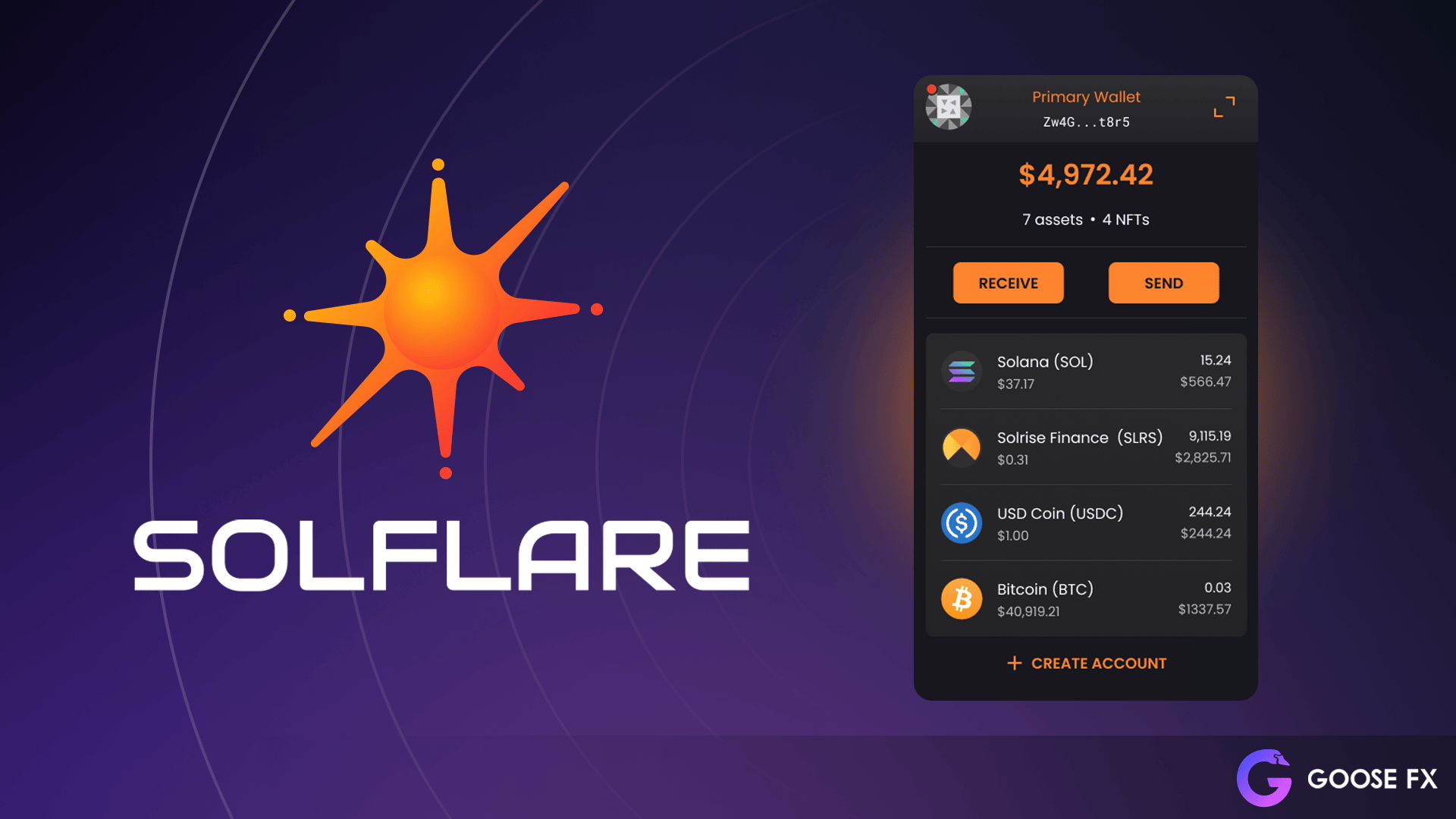
Something I really appreciate about Solflare is how it integrates staking and portfolio views within one app. You get a clear breakdown of what’s staked, what’s liquid, and how your rewards are accumulating—all without having to dig through multiple interfaces. This isn’t just convenience; it’s a time saver that actually helps you make better decisions. For example, I realized I was missing out on staking rewards because I hadn’t restaked for several days—something I wouldn’t have caught without a consolidated view.
Hmm… another thing worth mentioning is how some wallets don’t support all the DeFi protocols on Solana, which means if you invest in niche projects or newer protocols, your portfolio tracker might not reflect that properly. That gap can cause your total value to look way off, leading to misinformed decisions.
Seriously, it’s like trying to track your investments with a broken compass. But with tools aligned to Solana’s unique ecosystem, you avoid that chaos.
Staking Rewards: More Than Just Passive Income
Let me be honest—I used to think staking was just a way to “set it and forget it.” Boy, was I wrong. Staking rewards on Solana can be pretty dynamic, especially when you factor in compounding, lock-up periods, and changing APYs. There’s a lot going on under the hood, and if you don’t stay on top of it, you might leave a lot of SOL or SPL tokens on the table.
At one point, I had a decent chunk staked across multiple pools, but I wasn’t tracking each pool’s reward schedule closely. One pool changed its reward rate, another introduced a new incentive token, and I missed both updates because I wasn’t getting consolidated alerts. It was a classic “out of sight, out of mind” situation.
Here’s the thing: the best staking strategies on Solana usually involve active management—re-staking rewards, shifting funds between pools based on APYs, and sometimes claiming tokens to use in other DeFi protocols. This is where having a wallet that tracks rewards in real-time and integrates with multiple protocols really makes a difference.
Okay, so check this out—Solflare’s staking interface not only shows your current rewards but also estimates future yields based on current rates. It even alerts you when something changes. That proactive nudge is worth its weight in SOL. Plus, it’s all wrapped in a user-friendly UI that doesn’t make you feel like you need a PhD in finance to understand.
Something else that bugs me about some staking setups is the lack of transparency on rewards distribution. With Solflare, you get a clear, detailed breakdown—which is refreshing. It’s like having your own personal staking accountant, minus the high fees.
Diving Into DeFi Protocols on Solana Without Losing Your Mind
DeFi on Solana is exploding. From decentralized exchanges (DEXs) to lending platforms and yield farms, you’ve got options galore. But here’s the catch: interacting with multiple protocols across different wallets or interfaces can be a nightmare. I mean, who wants to copy-paste transaction hashes or manually calculate yields every week?
My instinct said: there’s gotta be a better way to unify all this data. And actually, that’s been part of Solflare’s appeal for me. It supports direct integration with popular Solana DeFi projects, giving you a single pane of glass to see your liquidity pools, open positions, and pending rewards. That’s a huge time saver.
Initially, I was skeptical about using a wallet-centric approach because I thought it might compromise flexibility. But on one hand, having everything consolidated means fewer chances for mistakes. Though actually, it does require you to trust the wallet’s security, which is always a valid concern. But Solflare has a solid reputation, and from my experience, their security features are top-notch.
Here’s an aha moment: when I started using Solflare to manage my DeFi stashes, I realized I was able to spot arbitrage opportunities and rebalance liquidity pools faster than before. That’s not hype; it’s real advantage in a fast-moving market. The wallet’s interface gave me insights I didn’t have when I was bouncing between different apps.
Whoa, and by the way—if you’re the kind of person who loves digging deep into your portfolio, Solflare’s analytics tools are surprisingly robust. You get historical data, transaction breakdowns, and even token price charts embedded, so you can connect the dots without leaving the app.
Final Thoughts: Why I’m Sticking with Solflare
So yeah, managing a Solana portfolio that includes staking and multiple DeFi protocols can feel like a full-time gig. But I’m biased, and I’ll admit it: since I started using Solflare, things have gotten way easier. It’s not perfect—no tool ever is—but it hits that sweet spot between powerful features and user-friendly design.
My first impression was cautious, but after weeks of real use, it’s clear that having an integrated wallet with solid portfolio tracking and staking management capabilities changes the game. It’s like going from using a flip phone to a smartphone overnight. You don’t realize how much you needed it until you have it.
If you’re deep in the Solana ecosystem and want to cut down on the chaos of tracking your assets, staking rewards, and DeFi positions, I really suggest giving the solflare download a try. It just might save you more time and headache than you think.
Anyway, that’s my two cents. I’m still figuring this out myself, and honestly, the space keeps evolving so fast, there’s always more to learn. But for now, having a reliable, integrated wallet feels like a must-have, not a luxury.