
Wow, this surprised me. I was poking around Solana transactions just last week. At first glance everything looked fast and neat to me. Then I saw an odd failed transfer and paused. Initially I thought it was a client hiccup, but after digging into the block details and the inner instructions I realized the story was more layered and worth writing about.
Really, that’s what I thought. Transactions on Solana aren’t opaque like some chains anymore. You can see fees, accounts, program calls, and signatures. But the raw data still hides intent sometimes from beginners (oh, and by the way…). The key is knowing which fields to read — inner instructions, pre and post balances, rent exemptions — because they reveal the why, not just the what, and that difference matters when troubleshooting a failed swap or a token transfer.
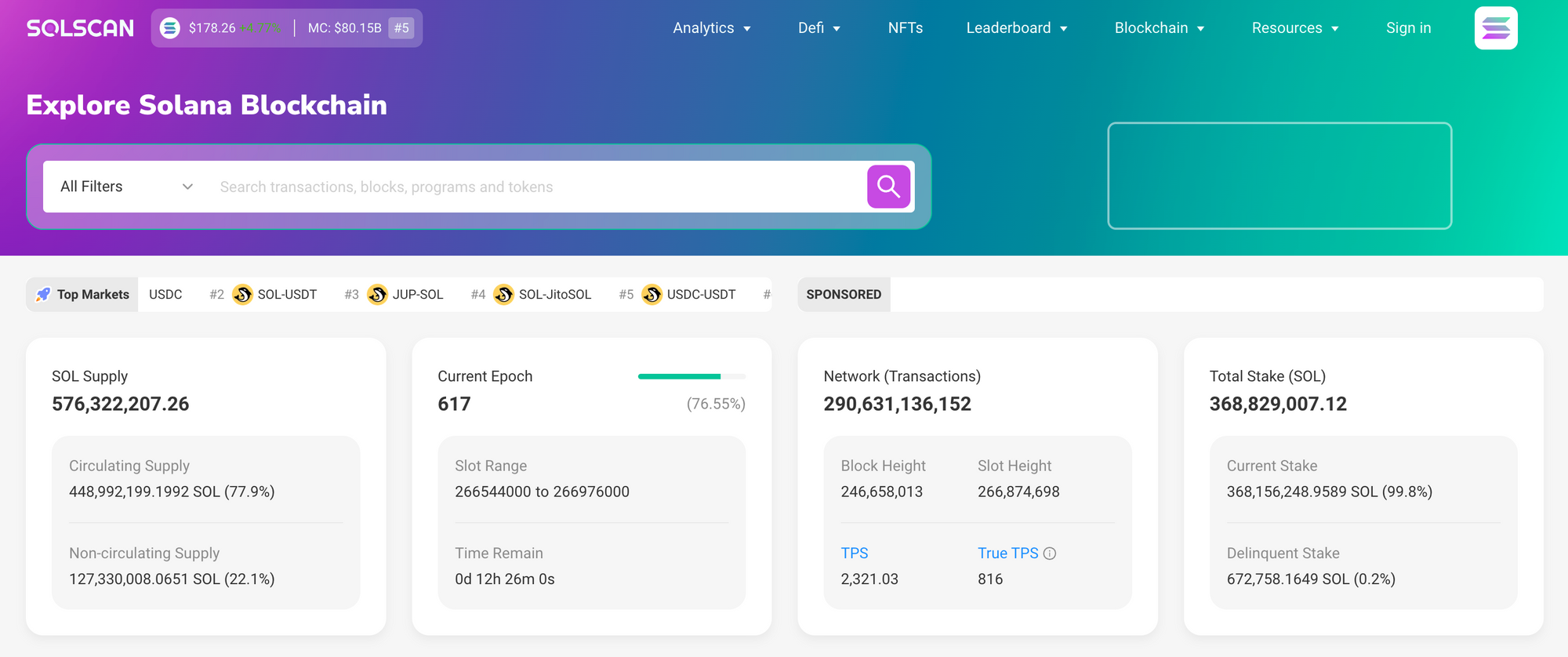
Why I use solscan explorer
I’m biased, but solscan explorer stood out early on for clarity. It surfaces inner instructions with clear labels and timestamps. Plus its search and filter are surprisingly fast on busy blocks. It merges real-time reads with historical traces and very very actionable alerts. If you want to investigate a suspicious airdrop or trace a token’s trail across dozens of trades, being able to jump to the exact instruction and see account balance deltas side-by-side saves hours that would otherwise be lost to guesswork.
Hmm… this is juicy. I tracked a failed swap that kept consuming compute. Solana’s validators report error codes inside inner instructions too. You just need a tool that exposes those inner calls cleanly. That level of visibility is why explorers and analytics platforms matter: they translate byte-level events into human actions, like distinguishing a swap failure from a slippage guard triggering or a token program rejection due to mint constraints.
Here’s the thing. I favor explorers that merge real-time data with historical charts and very very actionable alerts. Solana analytics should surface wallet clusters, token flows, and fee patterns. Some dashboards paint a prettier picture but omit transaction depth. On one hand a polished UI helps adoption, though actually, if you need to audit an incident you want raw logs accessible fast, because timelines and exact program logs are what’s needed for root-cause analysis.
Wow, seriously? That’s wild. Okay, so check this out—I used the explorer during a live incident. My instinct said the wallet was compromised at first glance. Actually, wait—let me rephrase that: somethin’ else was happening. After following the inner instruction chain I mapped the token flow across intermediary accounts and saw that a contract hook caused unintended transfers, which I then cross-checked on-chain and in dev logs to confirm the vector.
FAQ
How do I find a failed transaction quickly?
Really helpful, not perfect. Q: How do I find a failed transaction quickly? Look up the block or search the signature in the explorer. Then inspect inner instructions and pre/post balance deltas for clarity. If you want to escalate, snapshot the logs, note the slot and signatures, and provide those details to the project or dev team handling the token so they can reproduce and remediate the root cause with precise context.